





Microtrac的BLUEWAVE通过利用专门针对球形颗粒的Mie补偿理论和专门针对非球形颗粒的Modified Mie计算的专有原理,为各种应用提供准确,可靠和可重复的粒度分析。 BLUEWAVE针对低于1微米的材料进行了优化测量,可提供无与伦比的分辨率。BLUEWAVE测量的粒径范围为0.01至2800微米。 Microtrac具有通过光散射技术提供粒径分析创新解决方案的传统。 BLUEWAVE激光衍射分析仪是该传统的延续。利用获得专利的三激光技术,BLUEWAVE为从研发到生产,工艺和质量控制的各种应用提供准确,可靠和可重复的粒度信息。 BLUEWAVE符合或超过ISO 13320-1粒度分析–光衍射法。
性能指标
- 三激光,蓝/红,多探测器,多角度光学系统
- 真蓝光激光器(非LED)
- 分别针对球形和非球形材料利用Mie理论补偿和修正Mie计算的算法
- 测量范围从0.01到2800微米
- 干湿测量
- 封闭的光路可确保对光学组件进行全面保护,几乎不需要操作员干预
优点
- 利用蓝激光,低端范围测量的分辨率得以提高,从而显着提高了低于1微米的测量精度。
- 专有的修正Mie理论计算使用户能够准确测量其他粒度分析仪难以准确表征测量的非球形颗粒
- 从湿测量到干测量的无缝过渡减少了停机时间
- 固定的捡测器可提供坚固的耐用性并确保光学系统的正确位置
- 小巧的占用面积减少了对宝贵实验室空间的需求
典型应用
适用于各种领域,例如: 饮料, 生物技术, 化学试剂, 食物, 地质 / 矿产, 医药品, 金属粉末, 金属, 色素, 聚合物, 粉末涂料, ...
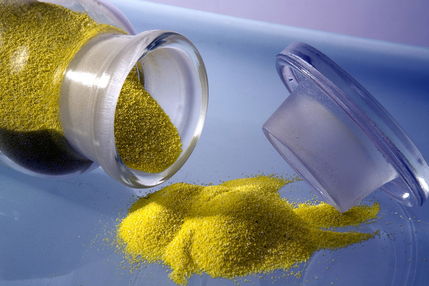
化学试剂
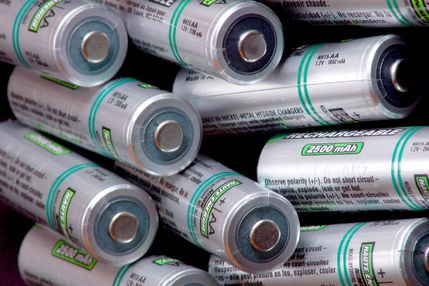
电池材料
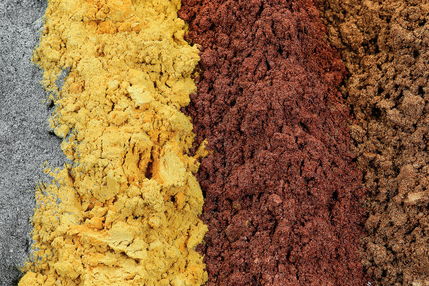
粉末
要找到满足您的颗粒表征需求的最佳解决方案,请访问我们的应用数据库
粒径分析仪 BLUEWAVE 技术参数
| Measuring range | 0.01 µm - 2.8 mm |
|---|---|
| Measuring principle | Laser diffraction |
| Lasers | 1x Red 780 nm / 2x Blue 405 nm |
| Laser power | Red laser 3 mW nominal Blue lasers 4 - 8 mW nominal |
| Detection system | Two fixed photo-electric detectors with logarithmically spaced segments placed at correct angles for optimal scattered light detection from 0.02 to 165 degrees using 151 detector segments. |
| Data | Volume, number and area distributions as well as percentile and other summary data |
| Data format | Stored in ODBC format in encrypted Microsoft Access Databases to ensure compatibility with external statistical software applications. |
| Data integrity | Data integrity may be ensured using FDA 21 CFR Part 11 compliant security features including password protection, electronic signatures and assignable permissions |
| Measuring time | ~ 10 to 30 seconds |
| Power requirements | AC input: 90 - 132 VAC, 47 - 63 Hz, single phase 200 to 265 VAC, 47 - 63 Hz, single phase |
| Power consumption | 25 W nominal, 50 W max. (depending on options installed) |
| Environmental conditions | Temperature: 5° to 40° Celsius (50° to 95° Fahrenheit) Humidity: 90% RH, non- condensing maximum Storage temperature: -10° to 50° Celsius (14° to 122° Fahrenheit) (dry only) Pollution: Degree 2 |
| Physical specifications | Case Material: Steel and impact resistant plastic Exterior surfaces are finished with corrosion resistant paint or plating |
| Dimensions (W x H x D) | ~ 560 x 360 x 460 mm (22 x 14 x 18 in) |
| Weight | ~ 27 kg (60 lbs ) |
| Eductor air supply | 100 psi (689 kPa) maximum pressure 5 CFM (8,5 m3/h) at 50 psi (345 kPa) minimum flow rate Free of dry contaminants, moisture and oil |
| Vacuum | Vacuum must exceed 50 CFM |
粒径分析仪 BLUEWAVE 资料下载
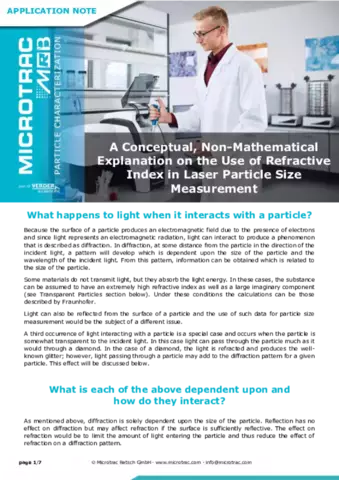
A Conceptual, Non-Mathematical Explanation on the Use of Refractive Index in Laser Particle Size Measurement
An explanation of Mie scattering and how Microtrac laser diffraction analyzers evaluate scattering signal from small particles.
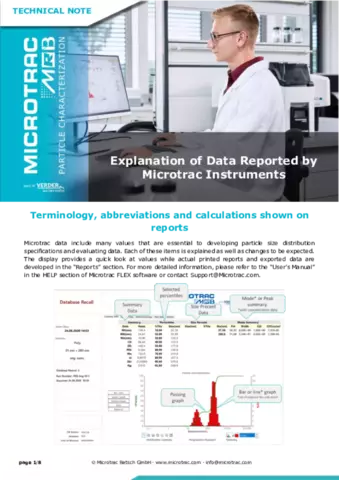
Explanation of Data Reported by Microtrac Instruments
A document explaining the various result data presented in the Microtrac Flex Software, e. g. percentiles, tabular data, mean values etc.


10 Fehler bei der Partikelanalyse - und wie man sie vermeidet
Die Partikelanalyse ist integraler Bestandteil der Qualitätskontrolle von Schüttgütern und wird in zahlreichen Laboratorien routinemäßig durchgeführt. Die angewendeten Methoden sind dabei oft seit Jahren etabliert und werden kaum hinterfragt. Dennoch sollte das Vorgehen gelegentlich kritisch überprüft werden, denn eine ganze Reihe von Fehlerquellen können das Ergebnis einer Partikelanalyse negativ beeinflussen. Dieses White Paper soll Denkanstöße liefern, um die eigenen Methoden zur Partikelcharakterisierung sicherer und besser zu machen.